
Investing in Our Patients
Every Patient Has a Story
Emergency Department
$10M
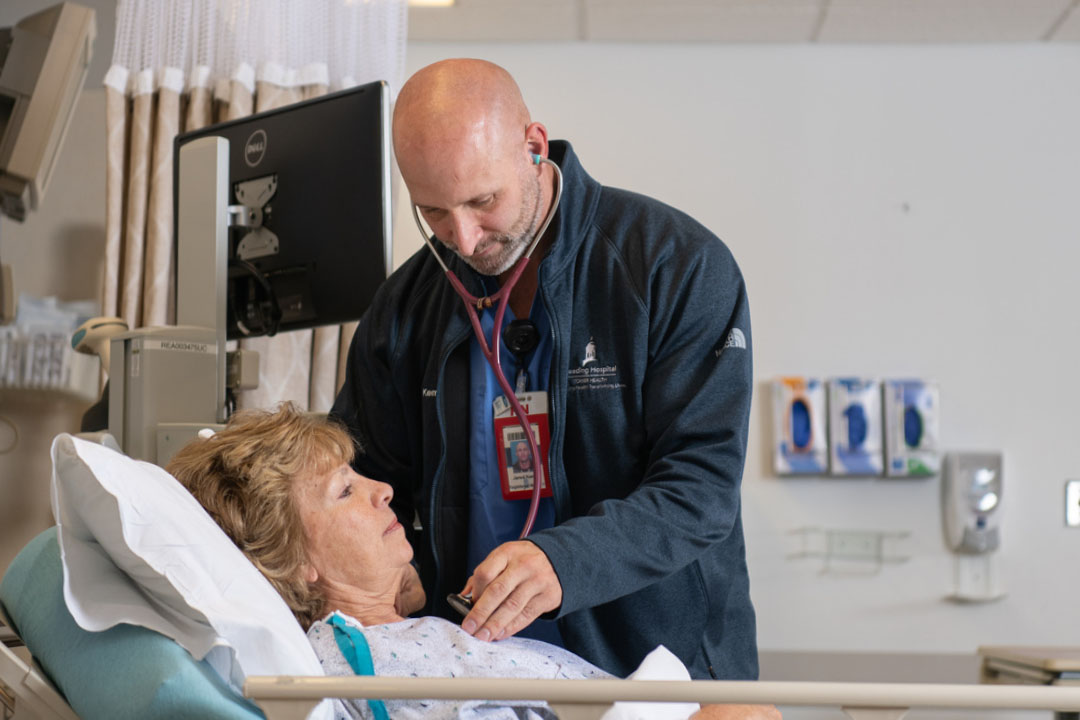
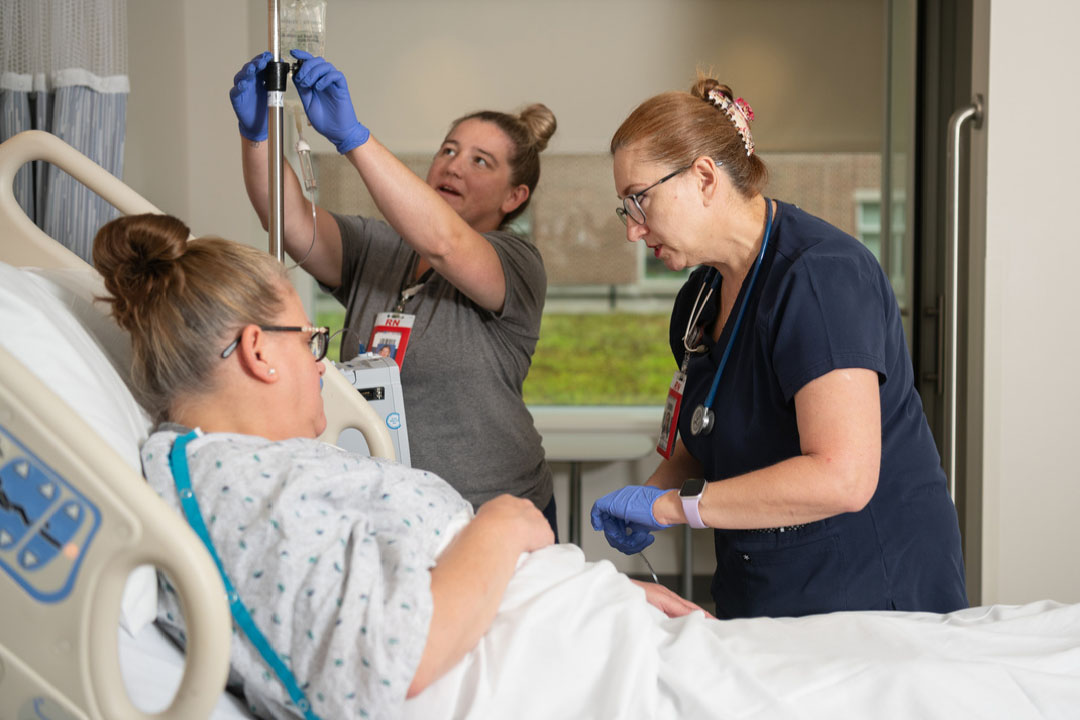
For thousands of Berks County families each year, the Emergency Department is where care begins. As the region’s only Level I Trauma Center, the Emergency Department sees approximately 305 patients every single day, a sustained volume that reflects the consistent, ongoing demand of a community that depends on this hospital.
The current space was not designed for this volume. The result is overcrowding and extended wait times that do not reflect the quality of care our teams deliver. This campaign renovates and expands the ED to match the standard our patients deserve.
Renovation priorities include:
- Enhanced triage capabilities for faster patient assessment and appropriate care routing
- Dedicated eight-bed Quick Care space for lower-acuity patients
- Improved capacity to simultaneously manage trauma cases and general emergency patients
- On-site pharmacy for faster discharge home
- Expanded waiting area that reflects the dignity and comfort every patient deserves
- Improved staff workspace to support our emergency medicine teams
Intensive Care Unit
$19M
Reading Hospital operates the busiest Emergency Department in Pennsylvania and the 11th busiest in the country. Yet with just 7% of inpatient beds are designated as critical care, the lowest among comparable institutions. The ICU consistently operates at full capacity even as demand grows.
This campaign invests in 19 new high-tech, smart ICU rooms, a one-third capacity increase, including a dedicated Neurotrauma and Comprehensive Stroke Unit with advanced imaging and immediate neurologist access.
Expansion priorities include:
- 19 smart ICU rooms with integrated real time monitoring and automated alerts
- Dedicated Neurotrauma and Comprehensive Stroke Unit
- Family-centered care lounges and consultation rooms
- Ongoing staff training on advanced critical care technology
- Advanced CT Scanner capabilities for faster, more immediate imaging and diagnostic
results
The Nurse Who Stayed
When a procedure led to an unexpected ICU admission, one husband found himself in a waiting room with no words and no roadmap. Missy, RN, came to get him. She brought him to his wife’s bedside, explained what was happening, and stayed, speaking to his family on the phone, calling his veterinarian to cancel a forgotten appointment, remaining past the end of her shift. The next morning, she returned as his wife’s nurse again. He felt relief for the first time in hours.
When the doctor delivered the news that nothing more could be done, Missy was there. When the breathing tube was removed, she knelt beside him as he said goodbye to his wife.
“Her support meant the world to me,” he said. “She deserves to be recognized as the angel that she is.”
Neonatal Intensive Care Unit
$14M
No family plans for a NICU stay. Yet each year, more than 400 premature and critically ill newborns rely on Reading Hospital’s 30-bed Level III NICU, the highest level of neonatal care, sometimes for months.
Our clinical expertise is exceptional. Our length of stay is below the national average. But our current open-bay environment, while essential for the intensive monitoring these fragile patients require, does not yet offer the balance of clinical access and family support that modern neonatal care demands.
This expansion is designed to achieve both. The open-bay configuration, critical for monitoring the most vulnerable patients, will be preserved and enhanced with upgraded technology. And six new private rooms will give families the space to be present, to bond, and to participate in care when their baby is ready.
Expansion priorities include:
- Upgraded incubators, warming units, and precision monitoring systems
- Six new private rooms: family presence, bonding, and care participation when clinically appropriate
- Enhanced open-bay environment for the most critical patients requiring intensive monitoring
- Advanced non-invasive monitoring to minimize discomfort while tracking vital signs
A Story of Survival
Jeanette Seda thought her pregnancy checkup was routine. Tests showed that Nicholas had stopped moving and wasn’t receiving enough oxygen. He was delivered at 28 weeks and five days, weighing one pound, five ounces. “I have small hands,” Jeanette said. “And he was about the size of my hand.” For months, the NICU became their second home, through Halloween, through New Year’s, through every ounce gained.
Nurses dressed babies in holiday outfits and made Jeffrey a birthday card: “Don’t worry, Daddy. We’re going to get through this.” Nicholas is now 10 years old. He brings warmth to every room. He loves music.
“This place gave him a chance to survive,” Jeffrey said.
McGlinn Cancer Institute
$10M
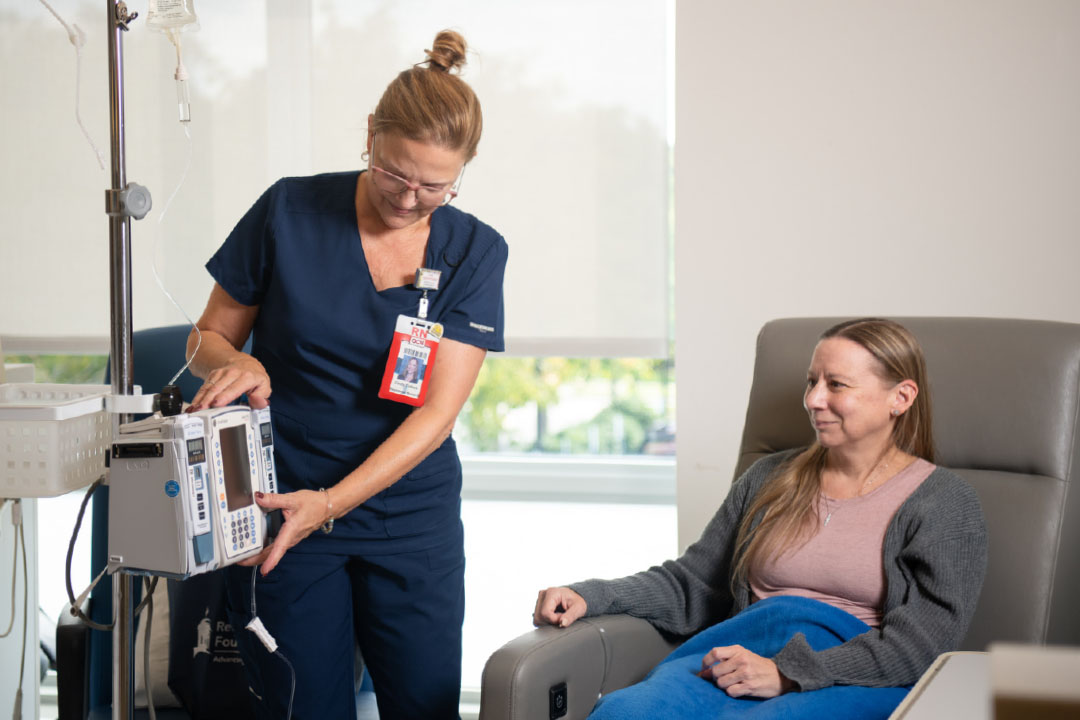
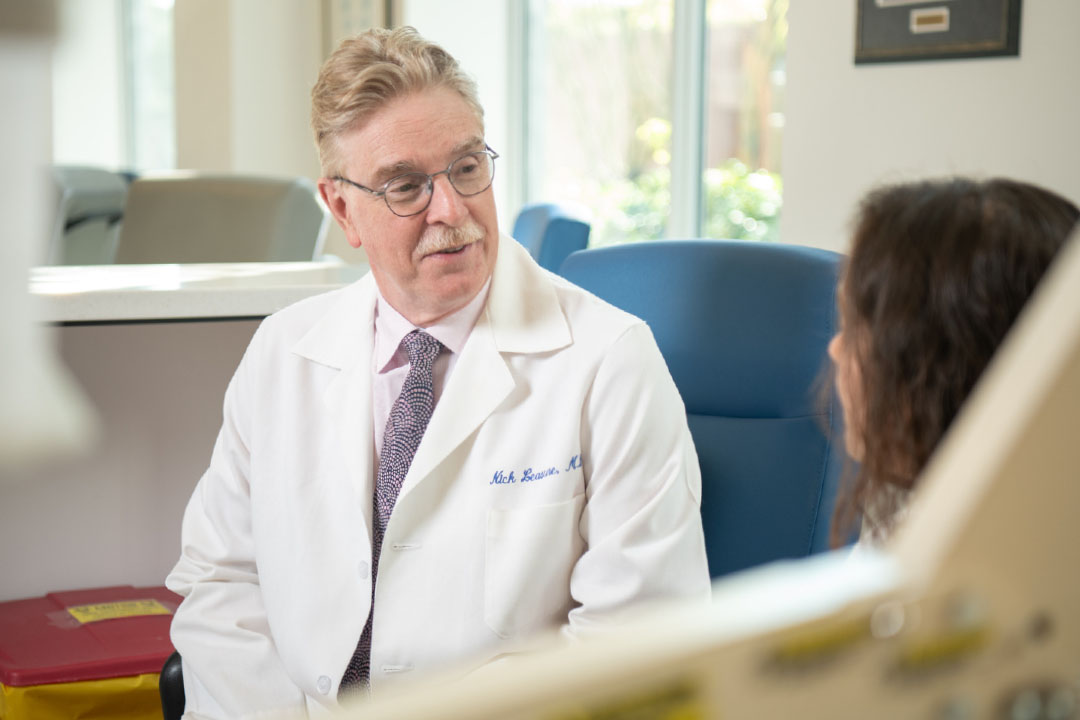
Cancer treatment means showing up again and again: four-hour infusion sessions, six-hour sessions, week after week. At McGlinn, more patients receive infusion therapy than at some of the most well-known cancer centers in the Mid-Atlantic. They come because the care is excellent, and because staying close to home matters.
Breakthrough therapies, including immunotherapies and biologics, are extending lives but require longer, more frequent visits. Demand has surged. Without expansion, delays will grow and more patients will face difficult travel during exhausting treatment journeys.
Expansion priorities include:
- Advanced infusion technology for precise, efficient administration of chemotherapy and other medications
- Additional exam rooms so oncologists have private spaces for consultations and follow-up
- Private patient conference areas for families to ask questions and receive difficult news
- New phlebotomy station bringing lab draws directly into the care setting
- Enhanced monitoring systems for real-time, tailored patient assessments
- Redesigned infusion space with a calming environment worthy of the care delivered here